
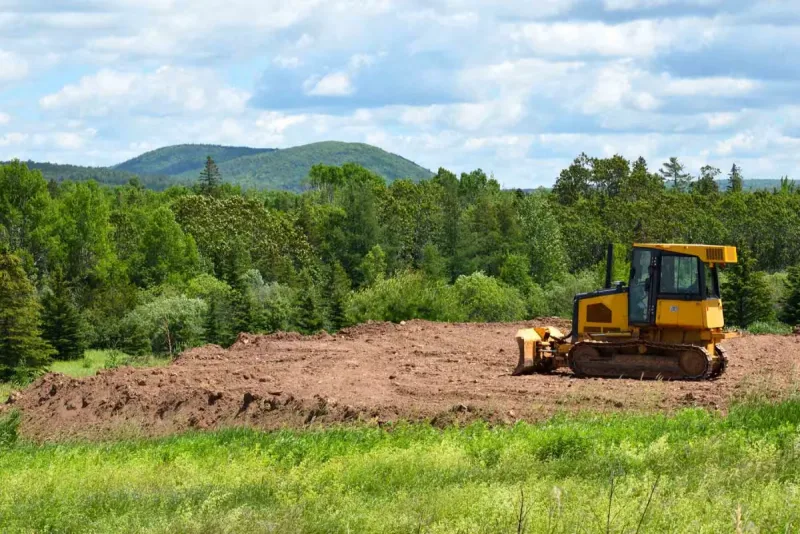
Land Clearing & Reclamation
Brush, trees, and years of overgrowth cleared and reclaimed — turning unusable acreage back into open, accessible ground that is worth more.
Learn More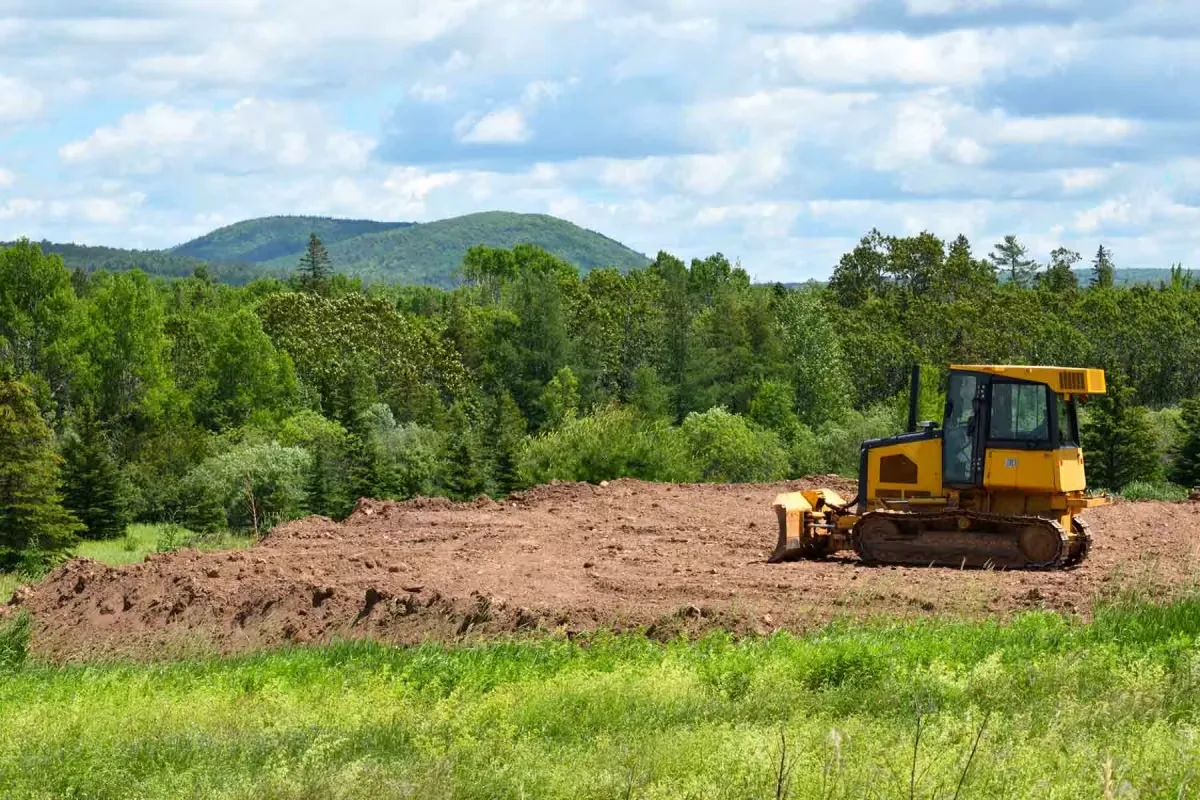
When you need land clearing in Vicksburg, the first question is which side of the bluff line your property sits on. Vicksburg is the Warren County seat, built on high loess bluffs above the east bank of the Mississippi where the Yazoo comes in, on Interstate 20 and US 61. The city sits about two hundred feet above sea level and the Delta floor at Vicksburg is about ninety four feet, and that step is the whole story of clearing land here. South and east of town it is steep ridges and ravines cut into deep silt. North of Redwood the hills quit and the county flattens into Yazoo backwater ground that runs past Eagle Lake to the Issaquena County line. The Corps of Engineers runs its Vicksburg District from here, 68,000 square miles across Mississippi, Arkansas, and Louisiana, the same three states we work. Big Cypress Land and Game is based in Rayville, Louisiana, sixty three miles west on Interstate 20, a little over an hour across the river bridge, and we already work the Delta on both banks.
Owner Mike Martien is a nationally recognized land specialist and an FAA Part 107 drone pilot, and Warren County is ground he reads well. The hills are Memphis silt loam, wind blown silt so typical here that soil scientists described the series from a spot southwest of Oak Ridge, and Natchez silt loam, the state soil, names the steepest loess hillsides that border the Delta. That silt stands in a vertical cut and washes into a gully once it is left bare. The flats north of Redwood are Sharkey and Alligator clay, buckshot, that crack open in a dry August and hold water for weeks after a winter rain. Kudzu and Chinese privet have worked over the bluffs around the Military Park, and willow and sweetgum take an idle Delta field in a couple of seasons. From camp tracts at Eagle Lake to timber along the Big Black below Yokena, we clear it and put it back to work. Call (318) 235-7597.
Overgrown ground around Vicksburg comes in two kinds. On the hills the second growth is sweetgum and water oak with loblolly pine mixed in, and the edges belong to the invaders. The Soil Conservation Service and the agency before it handed out about eighty four million kudzu seedlings across the South in the 1930s and 1940s to hold eroding hillsides, and the vine took the job seriously. It can run sixty feet in a season, it smothers whatever it climbs, and it prefers the ground a landowner leaves alone, old fields, road banks, and forest edges. Chinese privet fills the shade under it in thickets you cannot push through. Out on the Delta side toward Redwood and Eagle Lake the regrowth is bottomland, sweetgum and willow oak, sugarberry and green ash, overcup oak and water hickory in the wettest holes, with privet and Japanese honeysuckle tied through all of it.
Forestry mulching is the first tool on both kinds of ground. On the loess the mulcher leaves the root mat and a layer of chips on a slope that will gully the first time it sees bare dirt. The Civilian Conservation Corps spent the 1930s planting trees on the cultivated ridgetops of the Military Park to stop that exact erosion, and it only partly worked. On the clay the machine stays light on ground that ruts to the axle when it is wet. We clear selectively too, and take privet and kudzu out from under oaks you want to keep. Kudzu takes more than one pass and usually more than one season. When a tract has to become a pad or a plot, dozer and grubbing work comes in behind the mulcher, stumps get ground below grade, and on the hills we shape the cut so water leaves slowly instead of all at once.
Grading on the Vicksburg side of the county is erosion control first and everything else second. The loess is thickest at the river bluff and thins fast in the first few miles east, and the Brown Loam soils that formed in it are so silty that they wash badly on any cultivated slope. Loring silt loam on the gentler ridges has a fragipan a foot to three feet down that water barely moves through, so a deep cut on that ground often weeps. A house pad on these hills needs a small cut, compacted fill, and runoff carried off in a swale or a pipe, or the ravine behind it starts walking toward it. A gravel drive up a loess ridge wants a crown, water bars, and outlets on the low side, because a straight driveway down the fall line becomes the creek.
North of Redwood the problem flips. The backwater flats are Sharkey and Alligator clay with sixty to ninety percent clay in the subsoil. It is poorly drained, it ponds for weeks, and when it dries it opens cracks an inch to five inches wide and several feet deep. Slopes run a half percent or less, so water only moves where you cut fall for it. That clay eats a thin gravel drive every wet winter, and a camp road toward Eagle Lake Shore Road or the Waltersville and Long Lake side needs a shaped, compacted base and enough stone to stay on top of the gumbo. A shaped and packed bottom in Sharkey clay holds water on its own, so we build stock ponds and duck holes on the flats and tie them into the ditches so they drain by design. Hill ponds are a different animal, and the spillway gets designed first.
Warren County is Delta deer country with hill country stacked behind it. The Delta deer unit covers ground north of Interstate 20 and, south of it, west of US 61, and a legal buck there needs a twelve inch inside spread or a fifteen inch main beam. Delta counties carry the largest recorded antlers in the state, and Warren County once led Mississippi with ninety one Deer Management Assistance Program clubs that took 2,763 deer in the 2009 to 2010 season, nearly a thousand more than the next county. Mahannah WMA is 12,695 acres of bottomland hardwood, fields, and impoundments fifteen miles north of town in Warren and Issaquena counties, hunted by draw. Delta National Forest, twenty five miles north, is 60,898 acres and the only bottomland hardwood forest in the national forest system. Private tracts in between hold the same deer.
We set hunting land up so it hunts. Food plots worked into backwater openings on the clay, plots benched onto loess ridges where the slope will not wash, shooting lanes pulled through privet and sweetgum, and stand and camp access that stays passable when the Yazoo backs up. The Corps finished the Steele Bayou structure in 1969 and the backwater levees in 1978, and in 2019 the water still covered 550,000 acres, 225,000 of them cropland, so we build access with that in mind. Mike flies FAA Part 107 drone mapping over the property first, so you see canopy, ravines, water, and travel corridors before a machine moves, and the layout comes off the map, not off a guess. On gumbo we watch soil moisture, because habitat work done in the wrong week leaves ruts that last for years.
Communities & areas we serve around Vicksburg: Downtown Vicksburg, Bovina, Redwood, Eagle Lake, Eagle Bend, Yokena, Warrenton, Beechwood, Culkin, Oak Ridge.
Vicksburg ZIP codes served: 39180, 39183, 39181, 39182, 39156.
Free, no-obligation estimates throughout Warren County and across the Mississippi Delta.
(318) 235-7597 Brush, trees, and years of overgrowth cleared and reclaimed — turning unusable acreage back into open, accessible ground that is worth more.
Learn More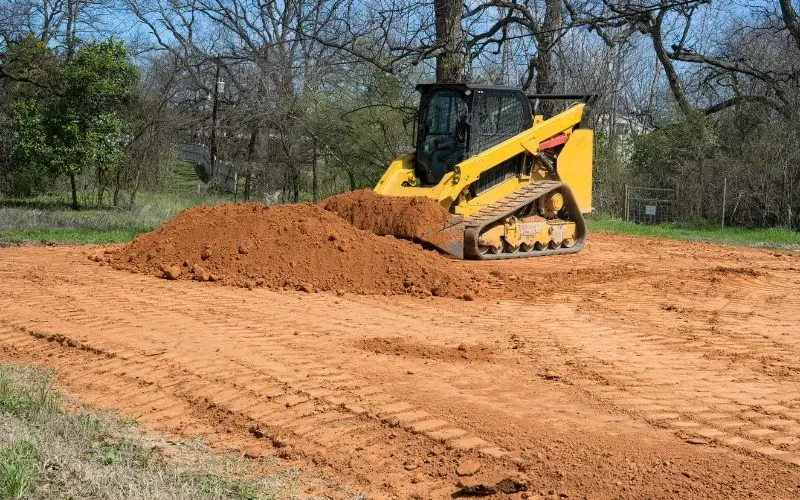
Building pads, grading, leveling, and drainage shaping — stable, well-drained ground ready for construction, agriculture, or recreation.
Learn More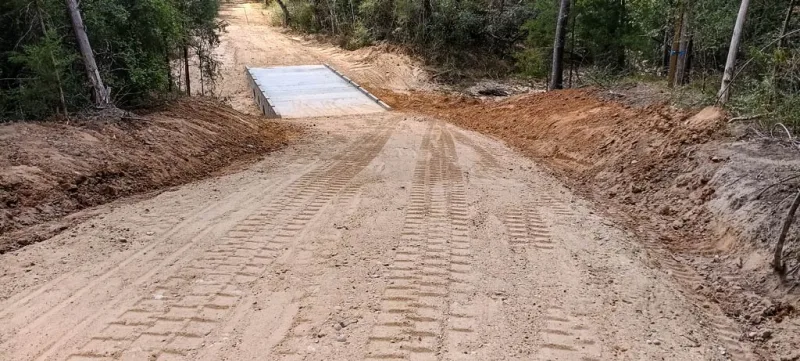
Access roads, gravel driveways, interior trails, and culvert crossings — all-weather access that makes your land usable and more valuable.
Learn More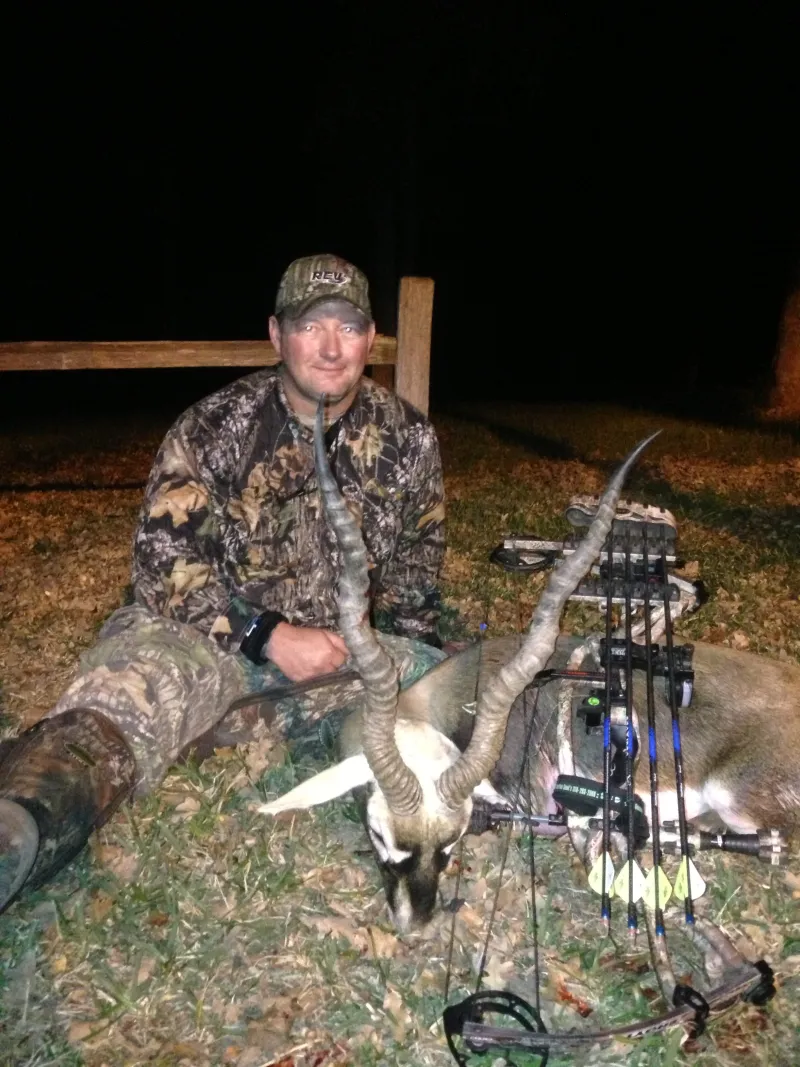
Food plots, shooting lanes, trail systems, and habitat improvements designed to hold deer and grow healthier game — by a landowner who hunts his own work.
Learn More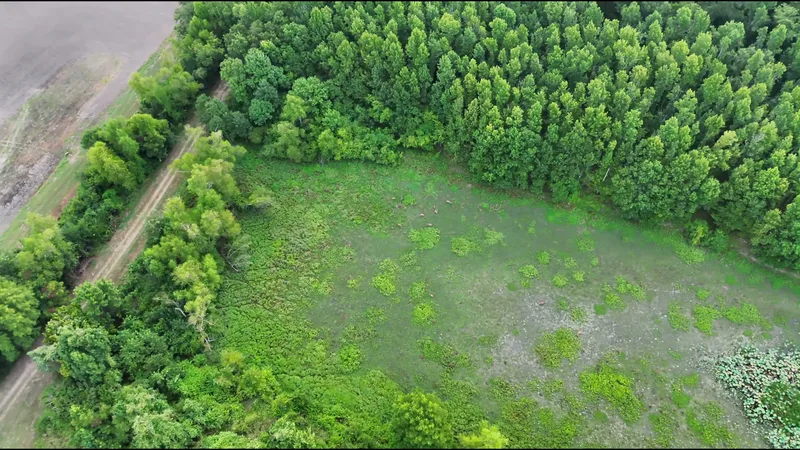
FAA-certified aerial imagery, property mapping, and drone-based deer herd assessments — a clearer view of your land for planning, marketing, and management.
Learn More
What makes Big Cypress different: every project is guided by a nationally recognized land specialist with America’s Land Partners — so your improvements are planned around usability, enjoyment, and long-term value.
Meet MikeReal words from clients who’ve trusted Mike with their land as a land specialist with America’s Land Partners — the same care and work ethic he brings to every Big Cypress project.
“Mike Martien secured my real estate sale through very difficult circumstances. He went above and beyond what would be expected of any agent. Anyone would be in the best of hands letting Mike work for you and with you.”
“We’ve known Mike for over 30 years. His work ethic and knowledge are exceptional. He’s passionate about helping others, trustworthy, and puts his client’s needs first. We highly recommend him to anyone working with land.”
“Mike has lifelong experience dealing with land management and development. His experience shows in researching current trends and values. For the most appropriate valuations and ease of sales, he can’t be beat.”
“With an excessive amount of hurdles and more problems than anyone could imagine, he never slowed down or got discouraged. If anyone needs someone that is all about your best interest, this is the one to call.”
“He’s beyond knowledgeable about whatever it takes to get a land deal worked out — even the tax side. He did a whole lot of legwork to get it done. Thanks again Mike, appreciate it more than you know.”
“His commitment to his customer and to the detail of the task at hand is unrivalled. I suggest for anyone selling or buying any land to use him. You won’t be disappointed.”
A few of the questions we hear most around Vicksburg. Don’t see yours? Call us — we’re happy to help.
Ready to improve, enjoy, or get more value out of your land in Northeast Louisiana? Reach out for a free, no-obligation consultation — and put a fellow landowner’s experience to work on your property. Buying or selling? Mike wears that hat too, as a land specialist with America’s Land Partners.