
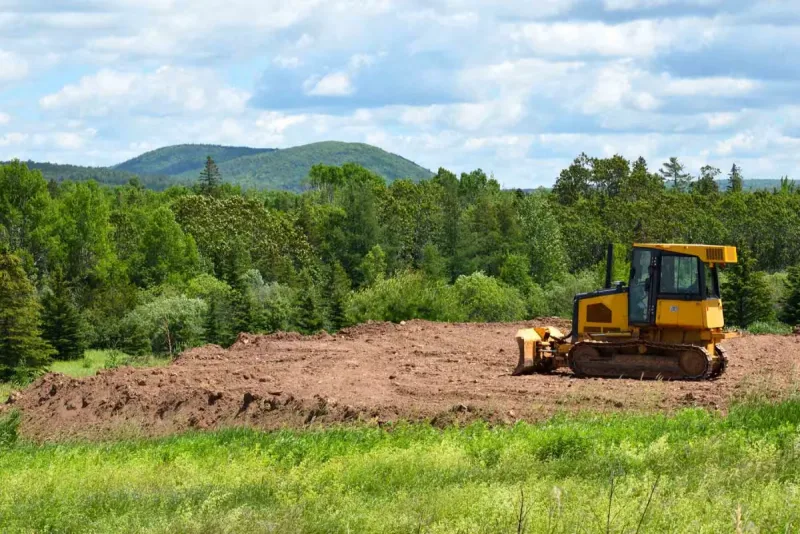
Land Clearing & Reclamation
Brush, trees, and years of overgrowth cleared and reclaimed — turning unusable acreage back into open, accessible ground that is worth more.
Learn More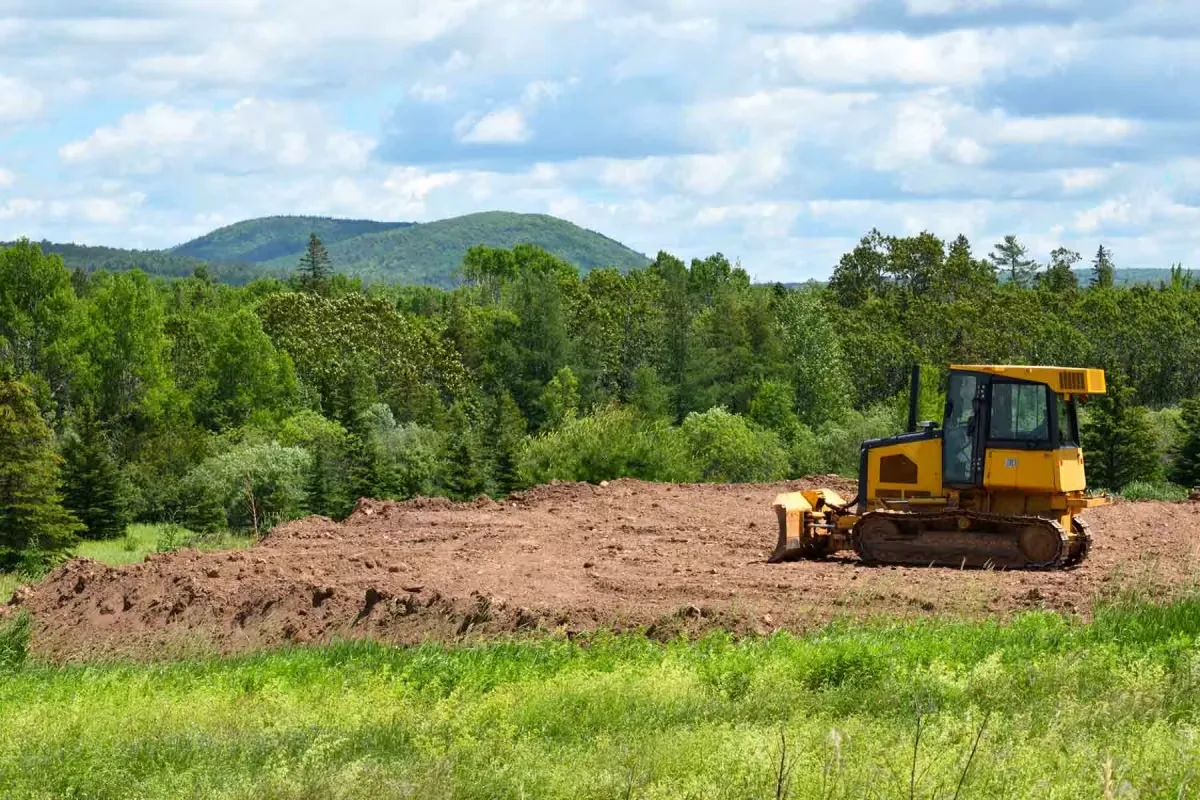
Land clearing in Jonesboro starts with the timber. Jonesboro is the seat of Jackson Parish, about 4,100 people at the crossing of US 167 and Highway 4 in the piney woods of north central Louisiana, and the paper mill at Hodge two miles up the highway has made paper since 1928. About 71 percent of the parish is upland, hills that climb from around 120 feet on the creek bottoms to around 340 feet on the ridges, and most of that ground is woodland held by timber companies. Big Cypress Land and Game is based in Rayville, about 77 miles away, and the drive to Jonesboro takes about an hour and a half, west on Interstate 20 through Monroe to Ruston and then south on 167 through Quitman and Hodge. For a job that far out we mobilize the equipment once and stay until the work is done.
Owner Mike Martien is a nationally recognized land specialist and an FAA Part 107 licensed drone pilot, and he reads a tract the way a Jackson Parish timber man does, by the dirt and the drains before he looks at the trees. Our crew clears house sites and shop pads, mulches cutover pine, grinds stumps, cuts gravel driveways and access roads, builds ponds, and opens up hunting ground. A lake lot on Caney Lake outside Chatham gets the same attention as three hundred acres of planted pine out Highway 4 toward Weston. If you own a cutover you cannot walk or a driveway that turns to soup every February, Mike will walk the ground with you and tell you straight what it needs. Call (318) 235-7597.
Jackson Parish has been cut over before. A lumber company railroad brought the first train into what became Jonesboro in 1900, sawmill towns went up at Ansley in 1901 and at Eros early in the new century, and by 1945 the parish had sixteen sawmills and one paper mill. By 1957 little marketable timber was left. What grew back is planted pine, the mill at Hodge is still making containerboard next door, and plenty of tracts between Jonesboro and Quitman are cutover ground that was harvested years back and left alone since. Cutover pine grows back thick. Gum sprouts, volunteer pine, briars, and vines close in within a few seasons until you cannot walk your own lines, and a clearcut you could see across in year two is a wall by year six or seven.
Forestry mulching is the right tool for most of that regrowth. The mulcher grinds it where it stands and leaves a layer of mulch on top of the sandy loam instead of burn piles and push piles, so nothing gets hauled off and the topsoil stays put on slopes where the soil survey already lists erosion as a hazard. Chinese privet is the other fight. The state ranks it as a Tier I invasive, it packs into creek bottoms and old fence lines in mixed pine and hardwood country, and cut privet resprouts unless the stumps get treated. We mulch it low and come back on the flush with spot spray. We can take a tract to open ground or thin it selective, so the sawtimber pine and the mature oaks in the drains stay put while the junk underneath disappears.
The USDA soil survey maps about 46 percent of Jackson Parish as Sacul soils, a loamy surface over red clay on convex ridgetops and side slopes, with grades of five to twenty percent on the slopes. That clay drains slowly, the water table rides within two to four feet of the surface in late winter and spring, and erosion is a listed hazard on the steeper ground. A driveway scraped into that grade with no crown, no ditch, and no culvert at the draw will rut and wash by its second winter. We build gravel driveways and access roads to fit the slope, cut ditches that carry water off the roadbed, and set pipe where the drains cross. House pads and shop pads get cut and filled to a level bench and compacted in lifts, so the slab sits on firm dirt instead of a soft spot that settles.
That same red clay is why ponds hold in these hills. We dig stock ponds and fishing ponds, core the dam with clay dug on site, and shape the banks so they mow clean. Keep the pad off the bottoms, though. The survey puts about 20 percent of the parish in flood plain soils along the Dugdemona River and the creeks, ground that floods often, mostly in winter and spring, and is rated not suitable for building sites, so we put the house on the ridge and the pond in the draw. East of town, Caney Lake is a 5,000 acre reservoir built in 1986 that gave up the state record 15.97 pound largemouth in 1994, with Jimmie Davis State Park on 294 acres of its north shore, named for the two-term governor born near Quitman. We clear lake lots around Caney, cut the driveway down to the water, and keep the bank out of the lake.
Jackson Parish hunts in Deer Area 2, and it hunts on private ground. The state has no wildlife management area in the parish anymore. Jackson-Bienville WMA, about 25,000 acres of gently rolling pine hills along the Dugdemona River twelve miles south of Ruston, was public hunting from 1961 until the lease ended on July 1, 2016, and in 2015 it still turned out a deer for every five hunter efforts on a managed hunt and 42 spring gobblers. That land did not go anywhere. It is still timber company pine country, and the way to hunt this parish now is a lease or a tract of your own. The nearest big public block is the Winn Ranger District of Kisatchie National Forest, 164,000 acres across the Winn Parish line to the south.
Piney woods deer hunting runs on food plots, feeders, and sight lines, because a pine stand goes blind once the canopy closes somewhere between year five and year ten and does not open back up until the first thinning. We clear and plant food plots on the ridge flats, cut shooting lanes that follow the contour instead of fighting it, open interior roads, and mulch travel corridors that tie the oak drains to the plots so a tract hunts bigger than its acreage. Mike flies every sizable job as an FAA Part 107 drone pilot. A drone map shows the drains, the old skid trails, and where water stands before a machine ever unloads, and when the work is done you get a clean aerial of every plot and lane. If you want a tract near Jonesboro set up before the season, call (318) 235-7597.
Communities & areas we serve around Jonesboro: Hodge, North Hodge, Quitman, Chatham, Eros, Weston, Wyatt, Ansley, Clay, Vernon.
Jonesboro ZIP codes served: 71251, 71247, 71268, 71226, 71238.
Free, no-obligation estimates throughout Jackson Parish and across Northeast Louisiana.
(318) 235-7597 Brush, trees, and years of overgrowth cleared and reclaimed — turning unusable acreage back into open, accessible ground that is worth more.
Learn More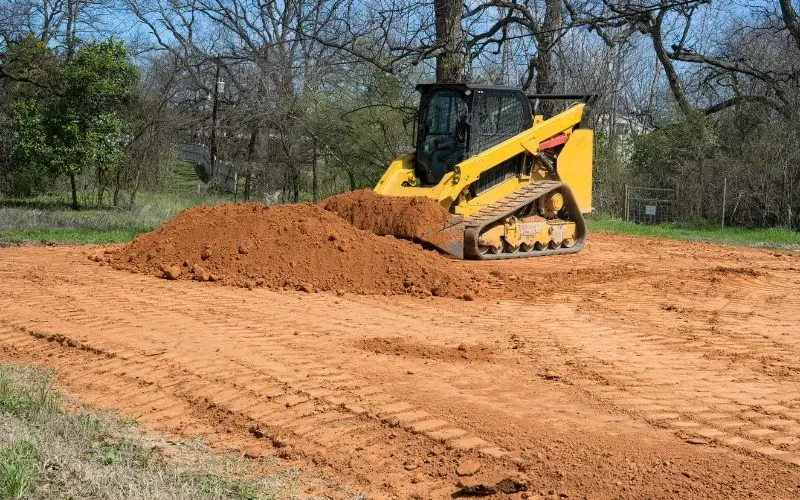
Building pads, grading, leveling, and drainage shaping — stable, well-drained ground ready for construction, agriculture, or recreation.
Learn More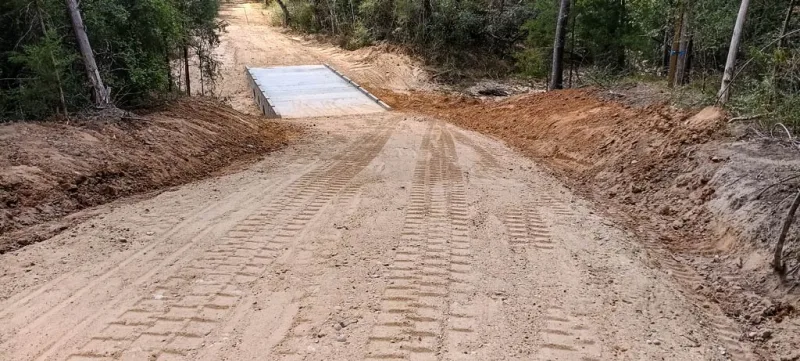
Access roads, gravel driveways, interior trails, and culvert crossings — all-weather access that makes your land usable and more valuable.
Learn More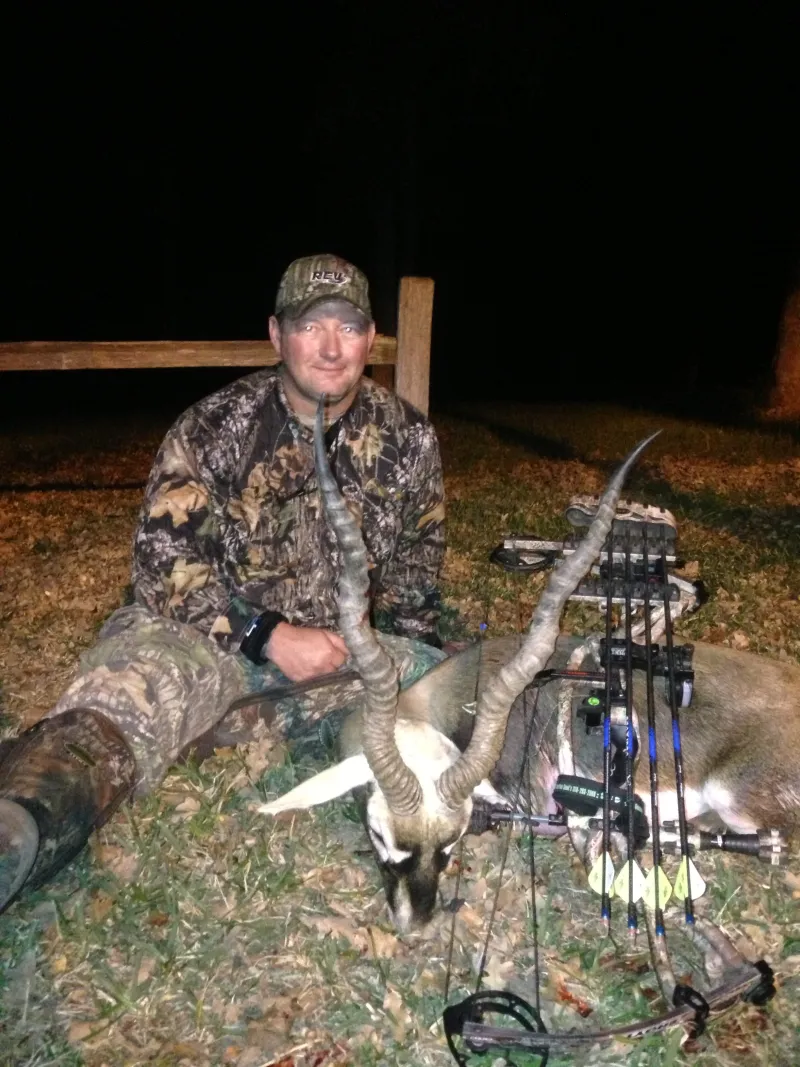
Food plots, shooting lanes, trail systems, and habitat improvements designed to hold deer and grow healthier game — by a landowner who hunts his own work.
Learn More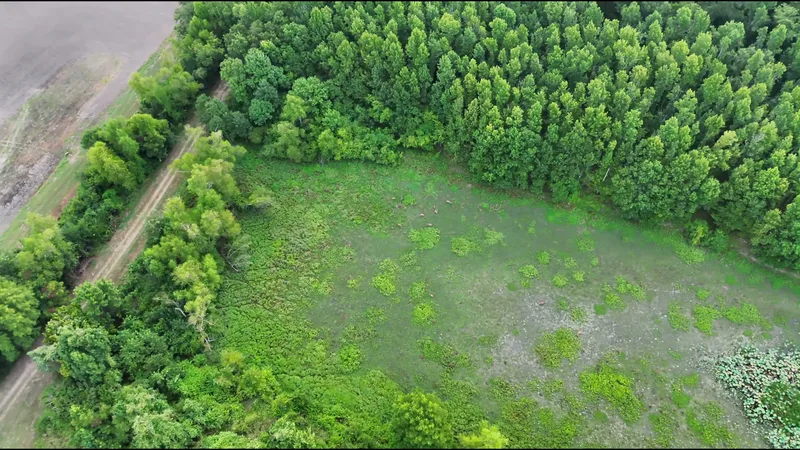
FAA-certified aerial imagery, property mapping, and drone-based deer herd assessments — a clearer view of your land for planning, marketing, and management.
Learn More
What makes Big Cypress different: every project is guided by a nationally recognized land specialist with America’s Land Partners — so your improvements are planned around usability, enjoyment, and long-term value.
Meet MikeReal words from clients who’ve trusted Mike with their land as a land specialist with America’s Land Partners — the same care and work ethic he brings to every Big Cypress project.
“Mike Martien secured my real estate sale through very difficult circumstances. He went above and beyond what would be expected of any agent. Anyone would be in the best of hands letting Mike work for you and with you.”
“We’ve known Mike for over 30 years. His work ethic and knowledge are exceptional. He’s passionate about helping others, trustworthy, and puts his client’s needs first. We highly recommend him to anyone working with land.”
“Mike has lifelong experience dealing with land management and development. His experience shows in researching current trends and values. For the most appropriate valuations and ease of sales, he can’t be beat.”
“With an excessive amount of hurdles and more problems than anyone could imagine, he never slowed down or got discouraged. If anyone needs someone that is all about your best interest, this is the one to call.”
“He’s beyond knowledgeable about whatever it takes to get a land deal worked out — even the tax side. He did a whole lot of legwork to get it done. Thanks again Mike, appreciate it more than you know.”
“His commitment to his customer and to the detail of the task at hand is unrivalled. I suggest for anyone selling or buying any land to use him. You won’t be disappointed.”
A few of the questions we hear most around Jonesboro. Don’t see yours? Call us — we’re happy to help.
Ready to improve, enjoy, or get more value out of your land in Northeast Louisiana? Reach out for a free, no-obligation consultation — and put a fellow landowner’s experience to work on your property. Buying or selling? Mike wears that hat too, as a land specialist with America’s Land Partners.