Land Clearing & Reclamation
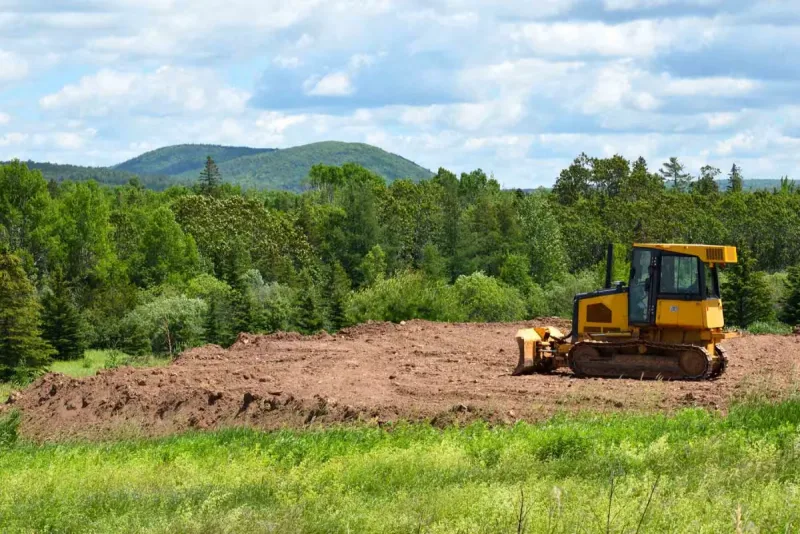
Brush, trees, and years of overgrowth cleared and reclaimed — turning unusable acreage back into open, accessible ground that is worth more.
Learn More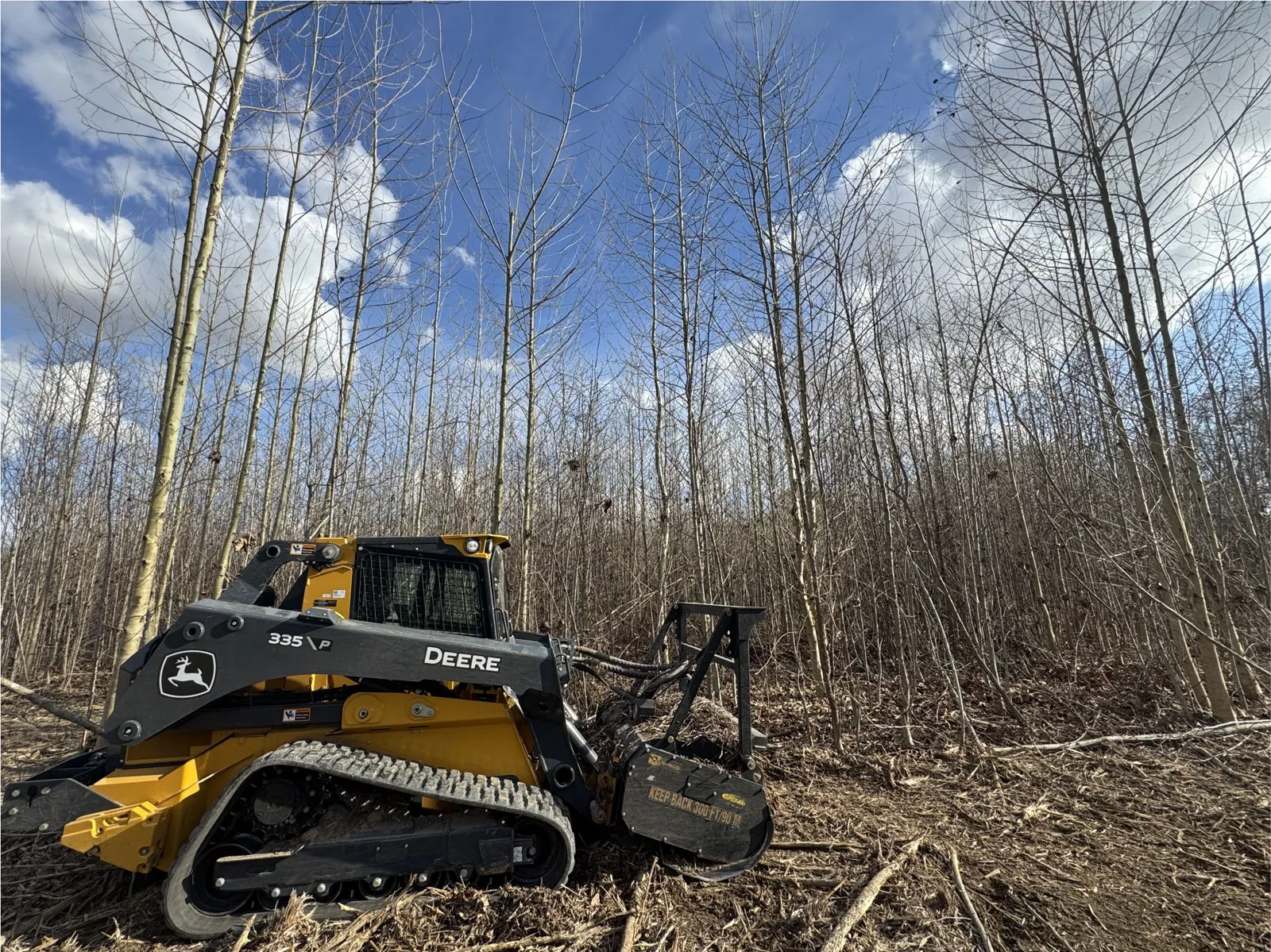
Storms rearrange Northeast Louisiana land in a night. The January 2026 winter storm left ice-loaded trees falling faster than crews could cut them in Richland Parish. It put more than half of Ouachita Parish in the dark. It brought a federal disaster declaration for debris removal across Richland, Franklin, Morehouse, Ouachita, East Carroll, West Carroll and Tensas parishes. Spring wind does the same on a smaller scale most years. Parish crews eventually haul what reaches the roadside. Everything behind the ditch line is on the landowner.
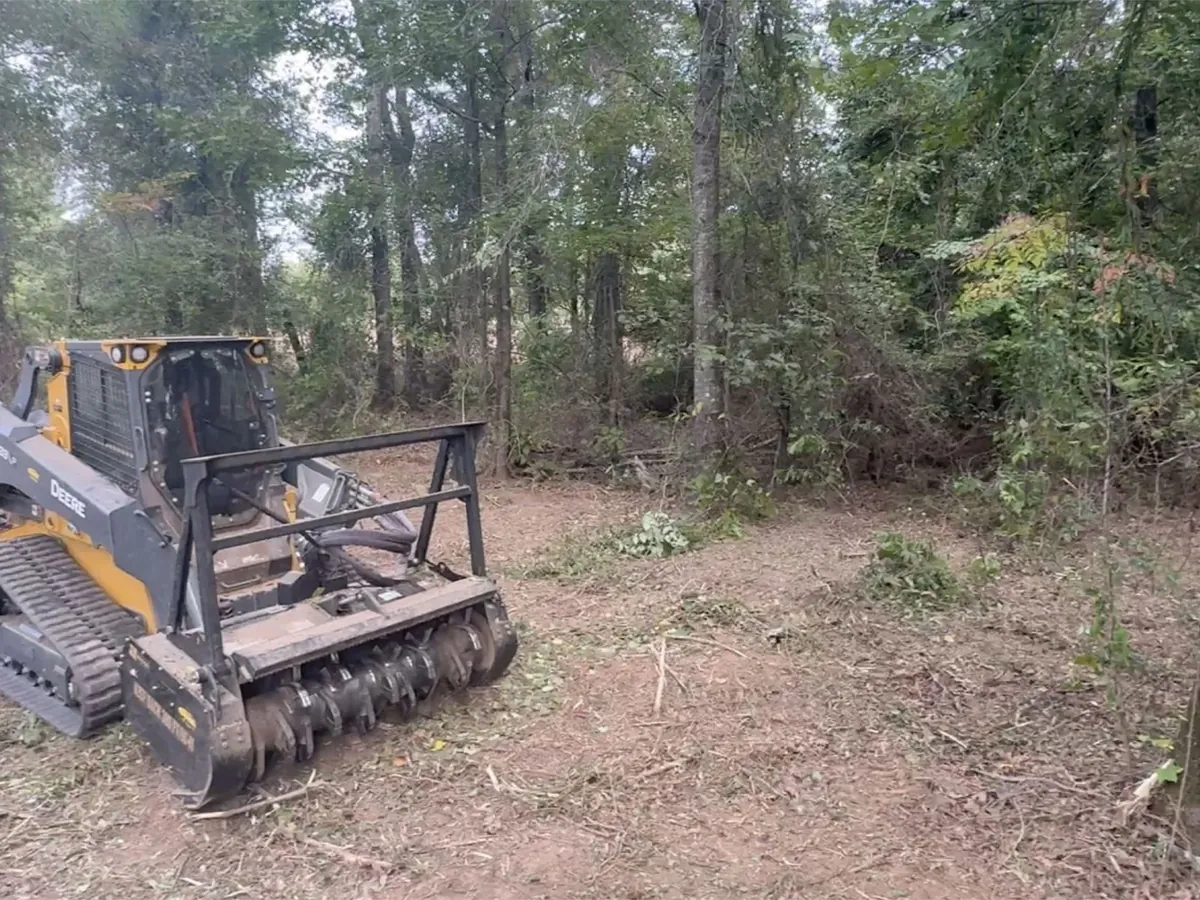
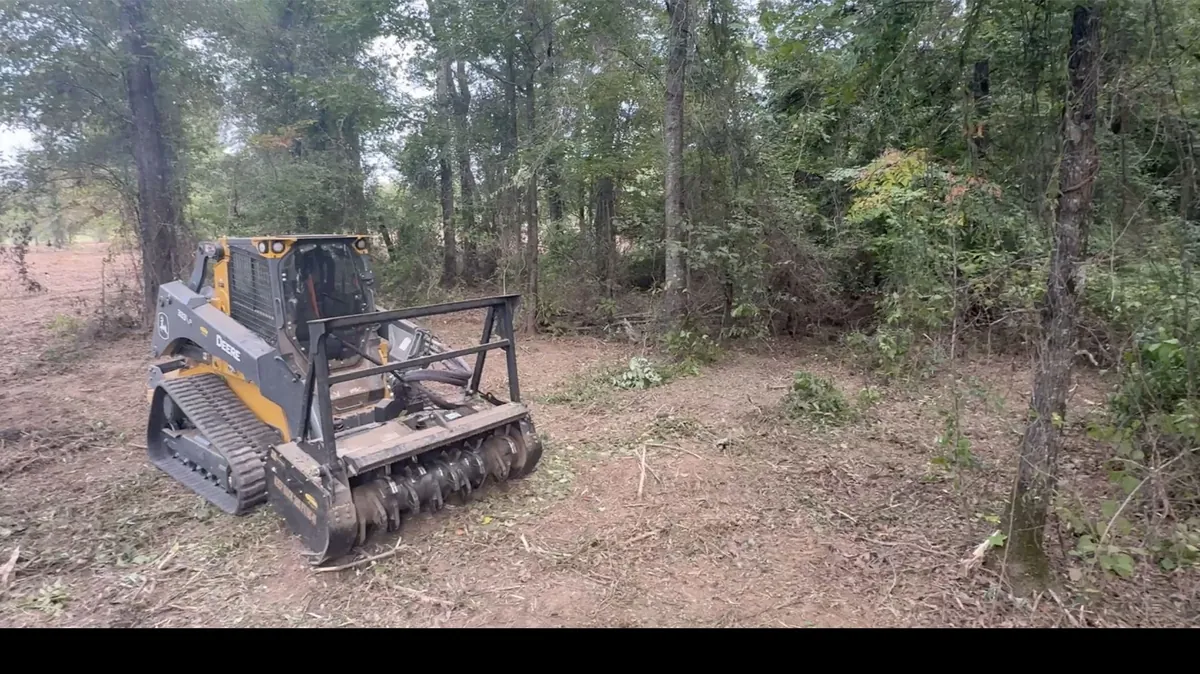
Big Cypress Land & Game handles storm cleanup and debris removal across Rayville, Monroe, Ruston, Bastrop and across Northeast Louisiana with a track loader and forestry mulcher: downed trees and broken tops cut and moved, limbs and brush ground in place or pushed into burn piles, fence lines and lanes reopened, and the ground finished with stump grinding and forestry mulching so it comes back as usable land. Roads and gravel drives cut up by the storm or the cleanup get regraded through our access work.
Richland Parish declared a local emergency on January 23, 2026, ahead of the winter storm. Within two days the sheriff described trees falling as fast as crews could remove them, with power lines down and tangled in limbs. Schools closed for the week. Ouachita Parish was called the hardest-hit parish in the state, and the governor confirmed eight storm-related deaths statewide. In July FEMA approved more than $4.8 million to Richland Parish for debris removal from that one storm. That money reimbursed public work: roads, rights-of-way and the piles residents dragged to the roadside. The back forty was never part of it.
The spring severe weather season adds to it. Storms in May 2025 put dozens of trees across power lines through Richwood, Luna and the LA 557 corridor. What a storm leaves on a rural tract is more than a mess: lanes blocked, fences flattened under trunks, hanging tops waiting to drop, root plates heaved out of the ground, and a fuel load that turns the next dry spell into a fire risk. Left a season, the blowdown grows up in briars and becomes a clearing job instead of a cleanup.
We look at the whole tract first, from the ground or from a drone flight on larger properties, then work in order: reopen the drive and interior lanes, free the fences and pastures, then clean the timber edges and blowdown pockets. Trunks get cut and moved with the loader for firewood, salvage or the burn pile. Tops, limbs and brush go through the forestry mulcher where they lie, which leaves a mulch layer on the soil instead of a pile. Stumps and root plates get ground below grade and the ruts get regraded so the pasture mows and the lane drives again.
Where burning makes sense, the piles are sited to the state rules. Louisiana allows open burning of trees and brush in parishes of 90,000 people or fewer, which includes Richland Parish, as long as the burn is outside town limits and away from a town’s air. Land-clearing burns must sit at least 1,000 feet from any dwelling not on the property and run between 8 a.m. and 5 p.m., and a parish or state burn ban stops everything. Ouachita Parish is over that population line, so open burning of storm timber there is generally off the table, and the material gets mulched instead.
A cleaned tract is usable again: the cattle go back on the pasture, the drive carries a truck, the stands are reachable before the season. It is safer, with the hangers down and the fuel load gone. And a blowdown that opened the canopy can become a food plot or a shooting lane instead of a briar thicket, so the storm ends up improving the habitat. For anyone thinking about selling, a tract still covered in downed timber shows as work to a buyer; the same tract cleaned and mulched shows as land.
Free, no-obligation site evaluations across Northeast Louisiana.
(318) 235-7597Mike owns and improves his own land — adding roads, ponds, food plots, and habitat. We treat your property the way we treat ours: practical, durable, and built to last.
Led by a nationally recognized land specialist with America’s Land Partners ($52.5M+ sold). Every improvement is made with usability, marketability, and long-term property value in mind.
Hands-on USDA and NRCS habitat experience — food plots, shooting lanes, and deer management designed around how game actually uses your land.
Part 107 certified aerial imagery, property mapping, and drone-based deer herd analysis — insight few land-improvement companies can offer.
Based in Northeast Louisiana and licensed across LA, AR & MS with America’s Land Partners — deep regional knowledge of the land, the soil, and the market.
Fully insured for your protection and peace of mind — your property, your project, and your investment are covered from the first pass to the final grade.
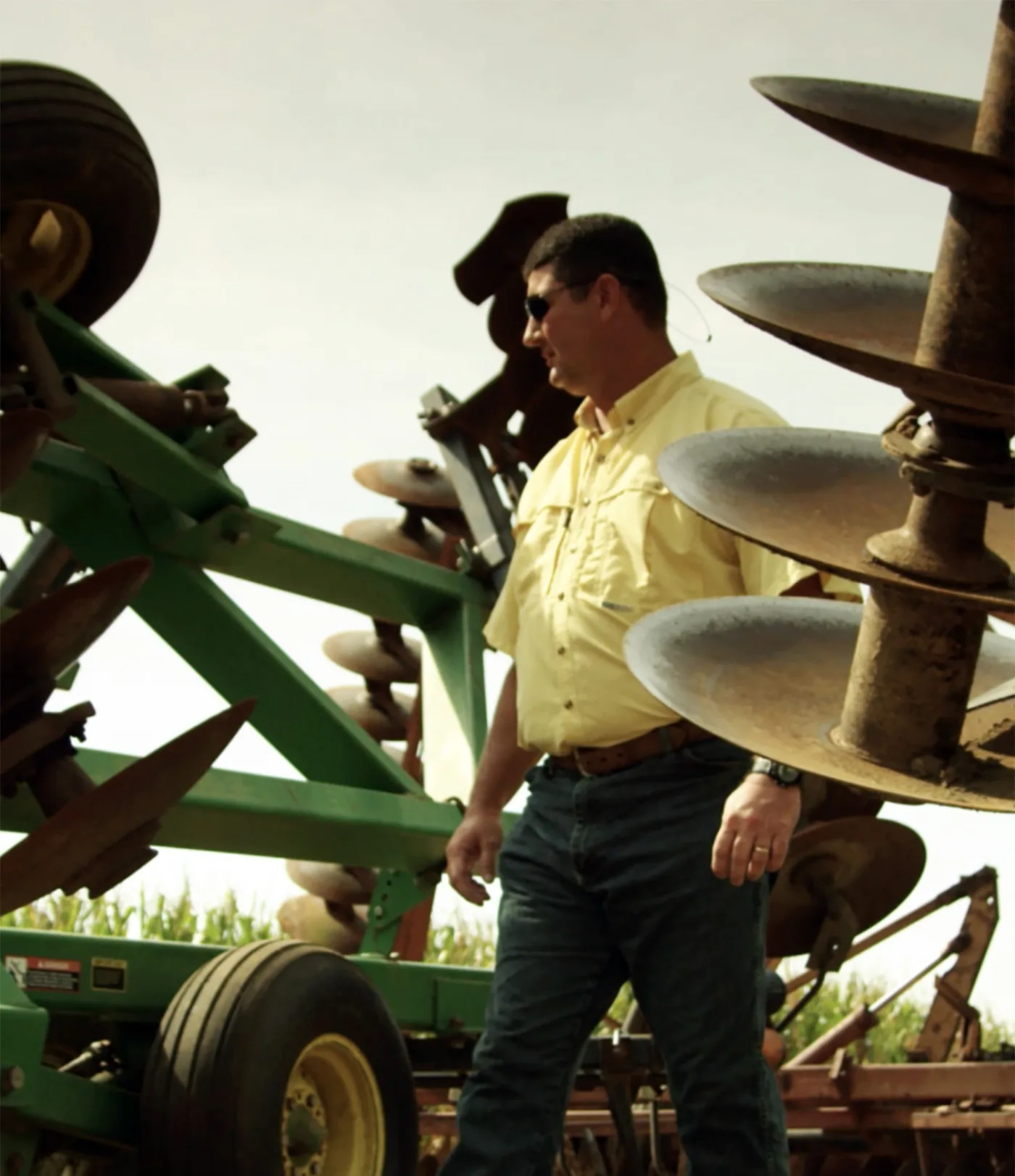
Mike owns and works his own Richland Parish ground, so he knows what a storm leaves behind on a real property. As a land specialist with America’s Land Partners he also knows a tract still covered in downed timber shows poorly and sells slow. The cleanup gets planned around what the land is for next.
From the first call to the final pass, here’s exactly what working with us looks like.
Fill out our quick estimate form or give us a call. Tell us about your property and what you’re trying to accomplish.
We walk the ground with you, assess the conditions, and talk through the best plan for your land — clearing, improvements, habitat, and access.
You get a straightforward plan and a free, no-obligation estimate — viewed through the lens of usability, wildlife, and long-term value.
Our crew arrives ready to clear, shape, and improve your property with the care of a fellow landowner — and leave it ready for what’s next.
Common questions about storm cleanup across Northeast Louisiana. Don’t see yours? Give us a call — we’re happy to help.
Storm Cleanup is one of the specialty services inside Land Clearing & Reclamation.
Brush, trees, and years of overgrowth cleared and reclaimed — turning unusable acreage back into open, accessible ground that is worth more.
Learn More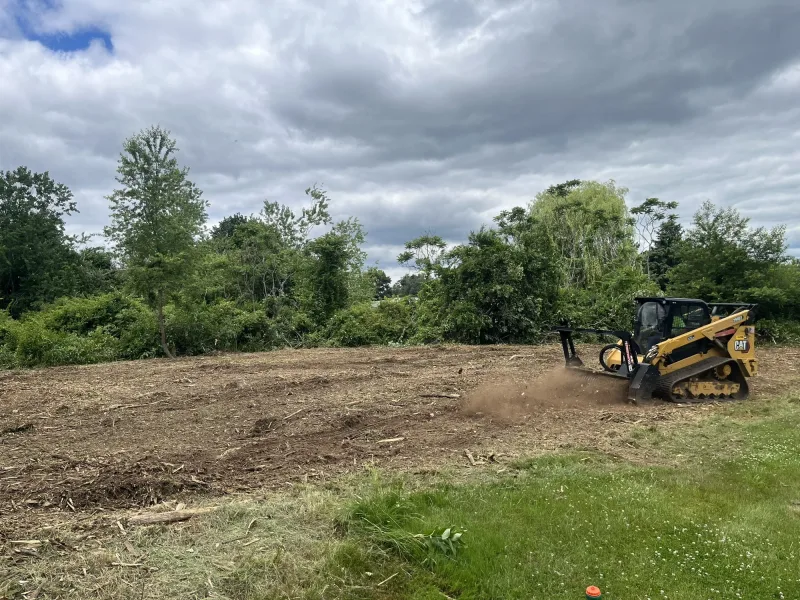
Thick brush, briars, and small trees ground into a clean mulch layer on-site in a single pass — no burning, no hauling, no debris piles.
Learn More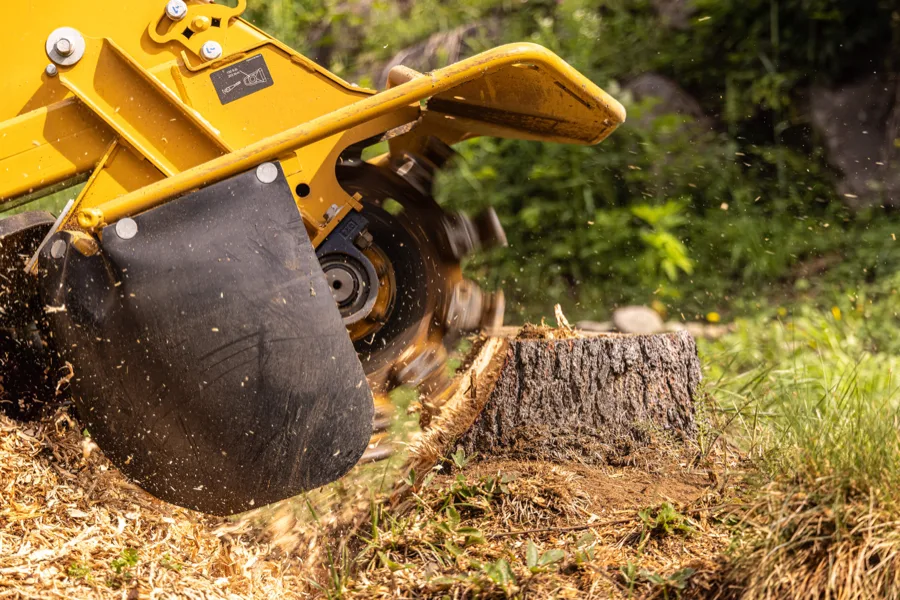
Old and fresh stumps ground out below grade so you can mow, build, plant, or clear — from a single yard stump to a whole cleared tract.
Learn More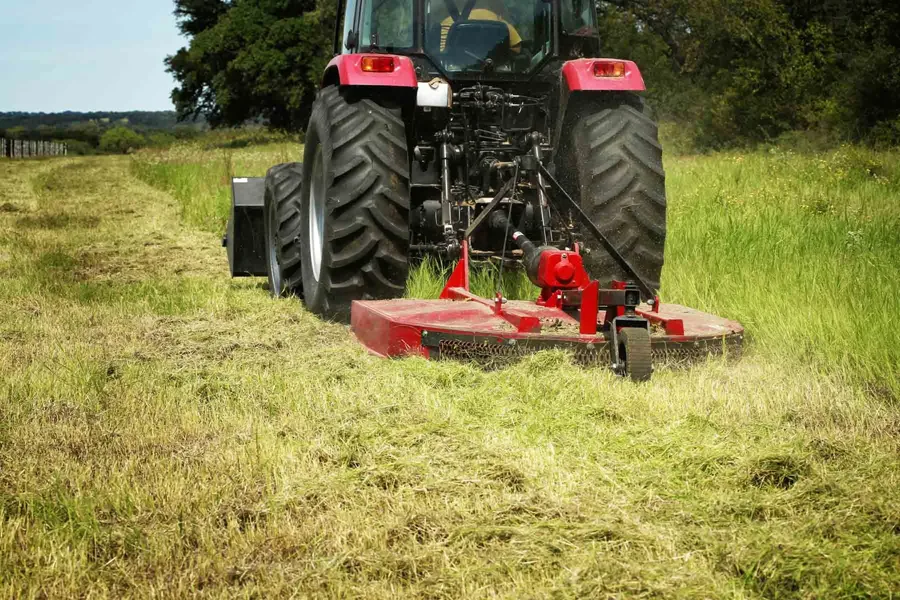
Overgrown pastures, fields, fence lines, ditch banks, and lots mowed back with a rotary cutter — one-time reclaim or a seasonal maintenance cut.
Learn More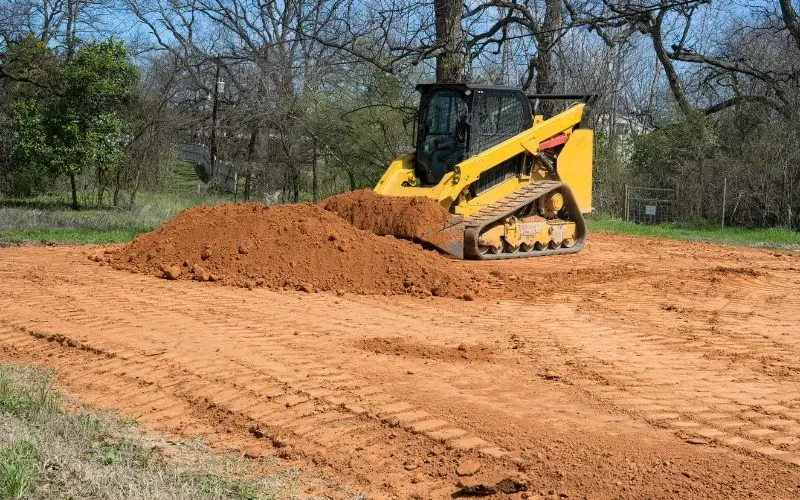
Building pads, grading, leveling, and drainage shaping — stable, well-drained ground ready for construction, agriculture, or recreation.
Learn More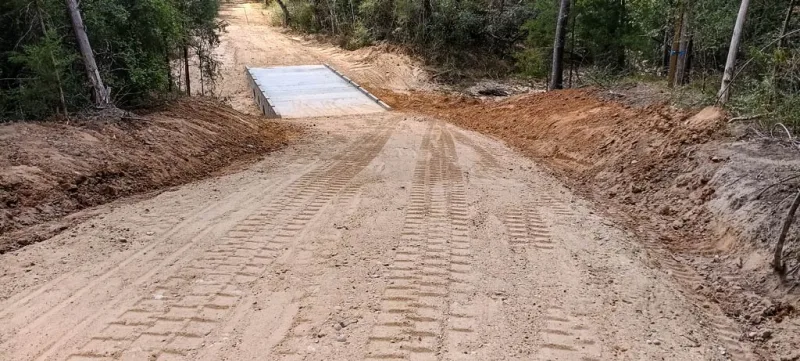
Access roads, gravel driveways, interior trails, and culvert crossings — all-weather access that makes your land usable and more valuable.
Learn MoreReal words from clients who’ve trusted Mike with their land as a land specialist with America’s Land Partners — the same care and work ethic he brings to every Big Cypress project.
“Mike Martien secured my real estate sale through very difficult circumstances. He went above and beyond what would be expected of any agent. Anyone would be in the best of hands letting Mike work for you and with you.”
“We’ve known Mike for over 30 years. His work ethic and knowledge are exceptional. He’s passionate about helping others, trustworthy, and puts his client’s needs first. We highly recommend him to anyone working with land.”
“Mike has lifelong experience dealing with land management and development. His experience shows in researching current trends and values. For the most appropriate valuations and ease of sales, he can’t be beat.”
Ready to improve, enjoy, or get more value out of your land in Northeast Louisiana? Reach out for a free, no-obligation consultation — and put a fellow landowner’s experience to work on your property. Buying or selling? Mike wears that hat too, as a land specialist with America’s Land Partners.