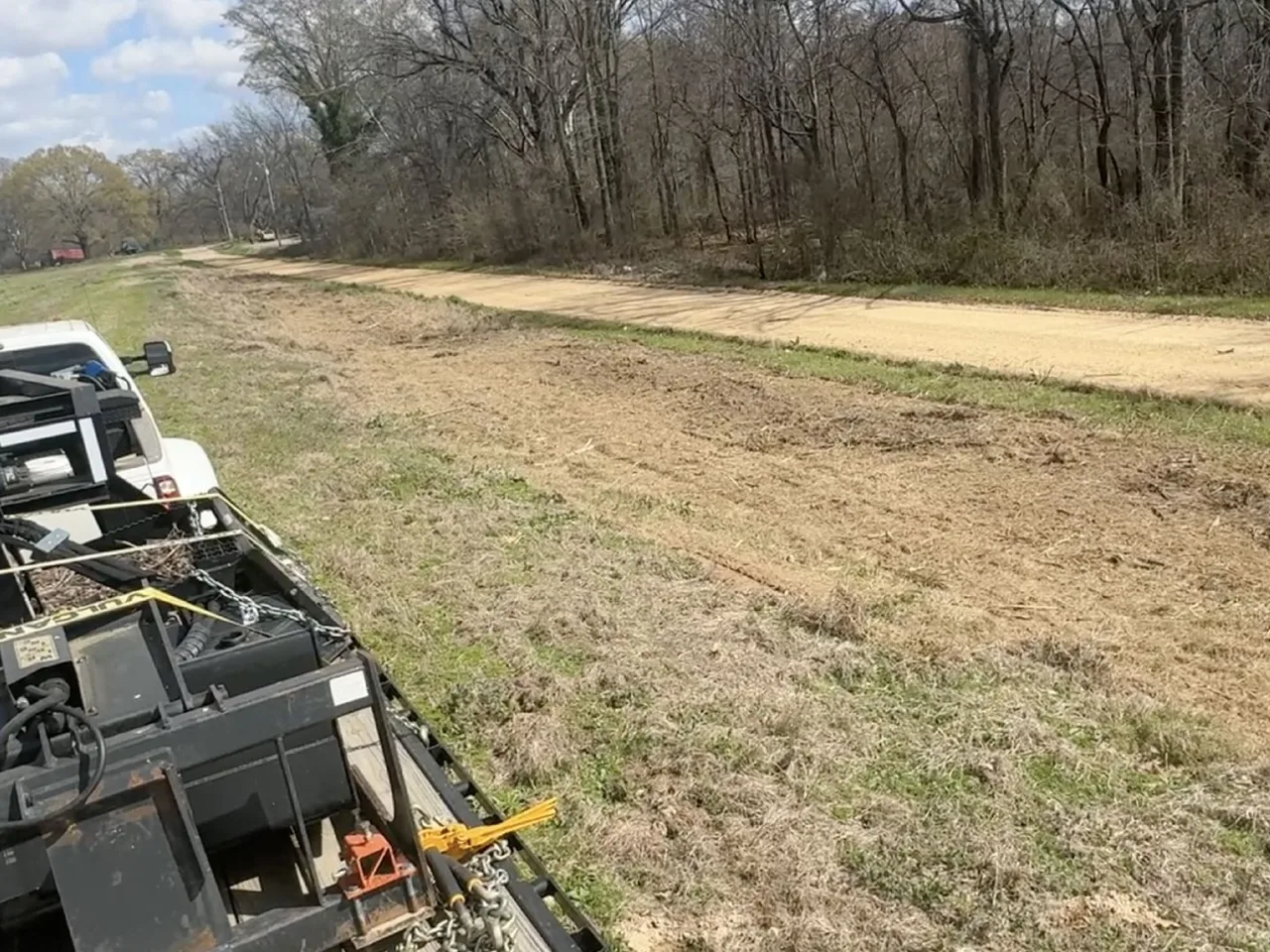
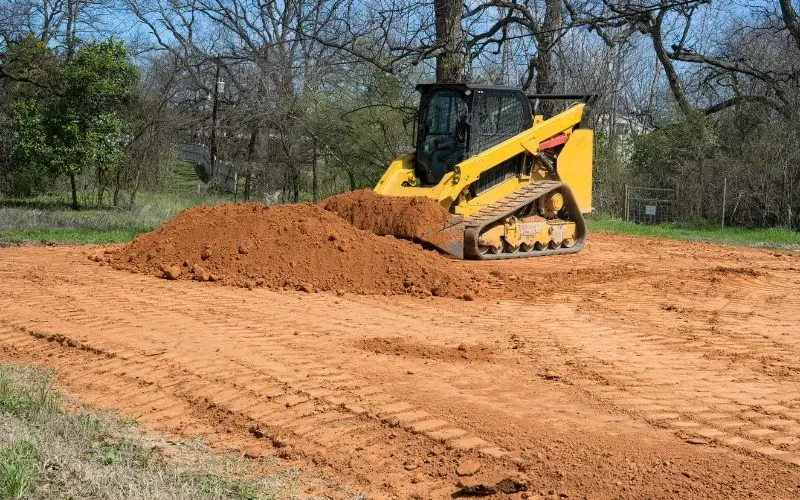
Site Preparation & Dirt Work
Building pads, grading, leveling, and drainage shaping — stable, well-drained ground ready for construction, agriculture, or recreation.
Learn More
A house pad in Rayville has one job above all: keep the slab out of the water. Much of this ground is flat Delta clay that drains very slowly. A pad built too low, or left flat on top, never dries out. Water stands at the slab edge, and the fill settles where it was never packed.
We build the pad to the elevation your builder or plan calls for, then crown it so water sheds. The footprint gets cleared and stripped first, and delivered fill goes down in lifts that get packed as they go. Pads are the deep end of our site preparation and dirt work. When the lot needs a path for the water, the pad ties into ditch, swale and culvert work.
The buckshot clay under much of this ground is a shrink-swell soil. USDA puts the Sharkey series at 60 to 90 percent clay and rates its shrink and swell as very high. Wet or dry, it is always changing volume under whatever sits on it. So a house pad gets built up above that clay, not cut down into it.
What the pad needs also depends on where the lot sits. Lots up on the Macon Ridge sit in silt loam and often take less fill. Floodplain lots on the west side start lower and wetter, so the pad goes higher. Monroe's 30 year rainfall normal is 55 inches a year, and every inch has to leave the pad.
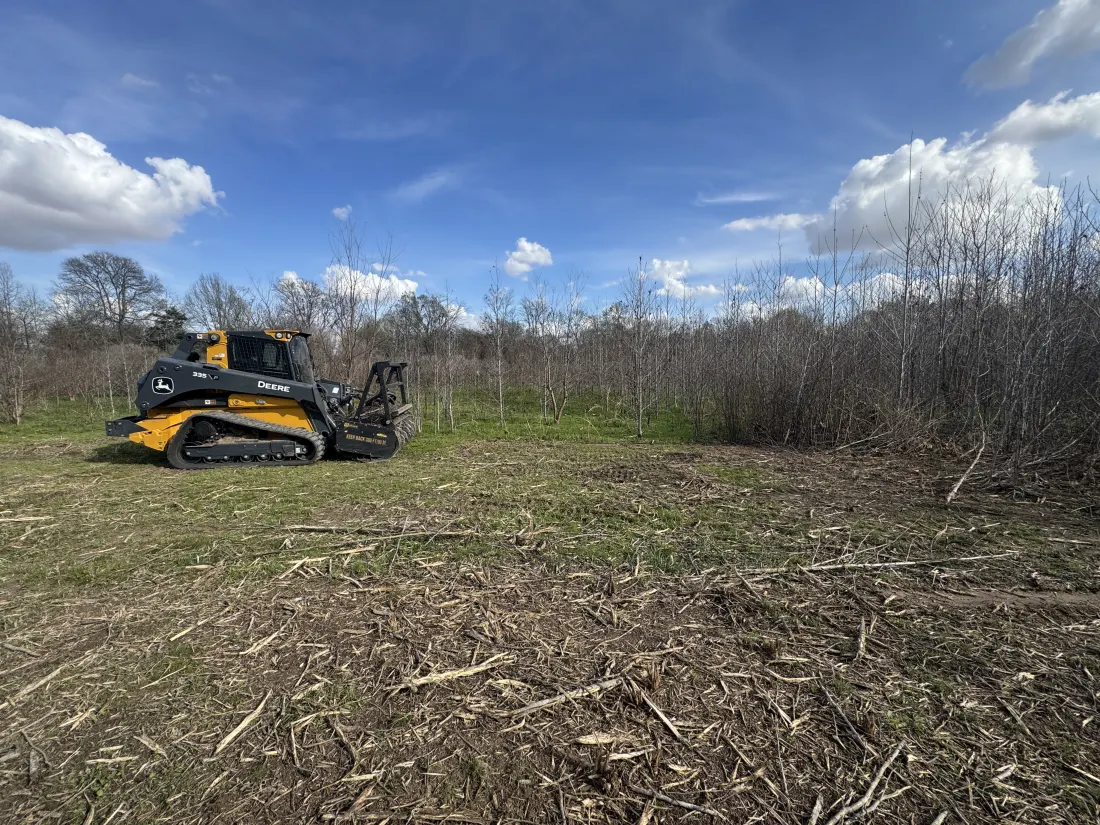
The pad starts with a number: the finished elevation the builder or the plan sets. We clear the footprint and strip the topsoil off it, because topsoil does not belong under a slab. The residential code says the same, that vegetation and topsoil come out of the area inside the foundation walls. On wooded lots that first pass is often forestry mulching, which leaves the ground clean.
Fill dirt is delivered by a local dirt supplier or hauling company. We spread and shape it with a compact track loader, then track-pack it in lifts. One thick dump of fill never packs like several thin lifts do. The top gets a crown, and the ground around the pad falls away from the slab.
The residential code sets that fall at six inches over the first ten feet. Some pads need a dozer or a roller crew, and we say so up front. Engineered compaction testing belongs to the builder's engineer, who specifies it and checks it. We also build the access road or lane a concrete truck needs.
A pad that sheds water pays off every year the house sits on it. The slab stays dry at the edges, and the yard is usable after rain. Your builder starts on a site that is ready and at the right elevation. It pays again at sale time, whether you are buying or selling land here.
Free, no-obligation site evaluations across Northeast Louisiana.
(318) 235-7597Real footage from our own jobs and flights, in Mike's own words.
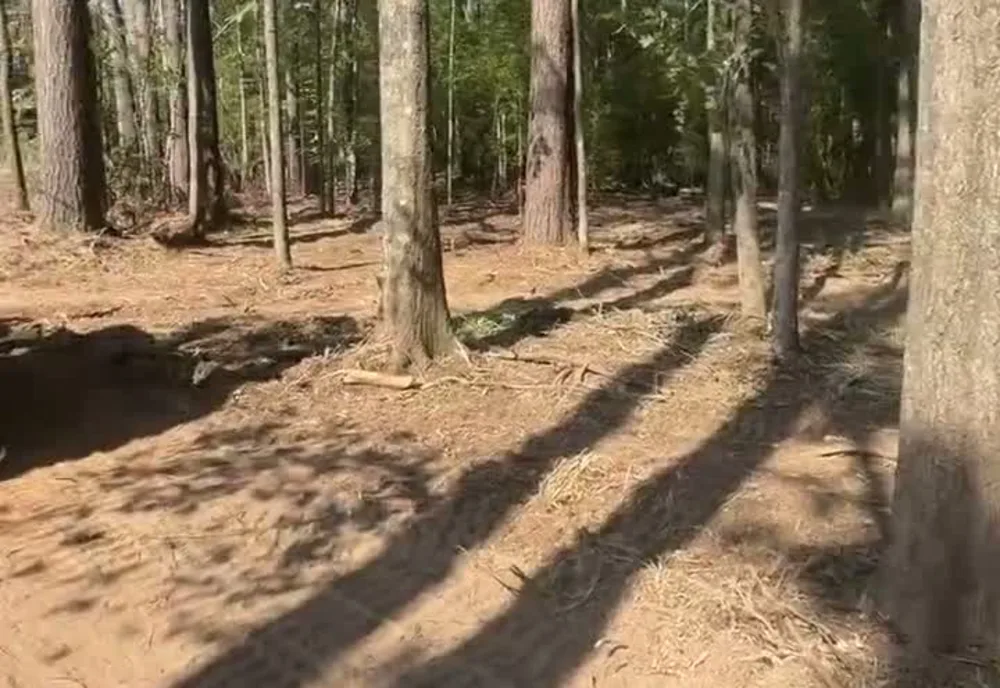
“Another homesite cleared and a step closer to construction.”Mike Martien
A walk through a freshly cleared homesite under standing timber: the understory cleared, the ground finished, and the lane opened so construction can follow.
See More From the FieldMike owns and improves his own land — adding roads, ponds, food plots, and habitat. We treat your property the way we treat ours: practical, durable, and built to last.
Led by a nationally recognized land specialist with America’s Land Partners ($52.5M+ sold). Every improvement is made with usability, marketability, and long-term property value in mind.
Hands-on USDA and NRCS habitat experience — food plots, shooting lanes, and deer management designed around how game actually uses your land.
Part 107 certified aerial imagery, property mapping, and drone-based deer herd analysis — insight few land-improvement companies can offer.
Based in Northeast Louisiana and licensed across LA, AR & MS with America’s Land Partners — deep regional knowledge of the land, the soil, and the market.
Fully insured for your protection and peace of mind — your property, your project, and your investment are covered from the first pass to the final grade.
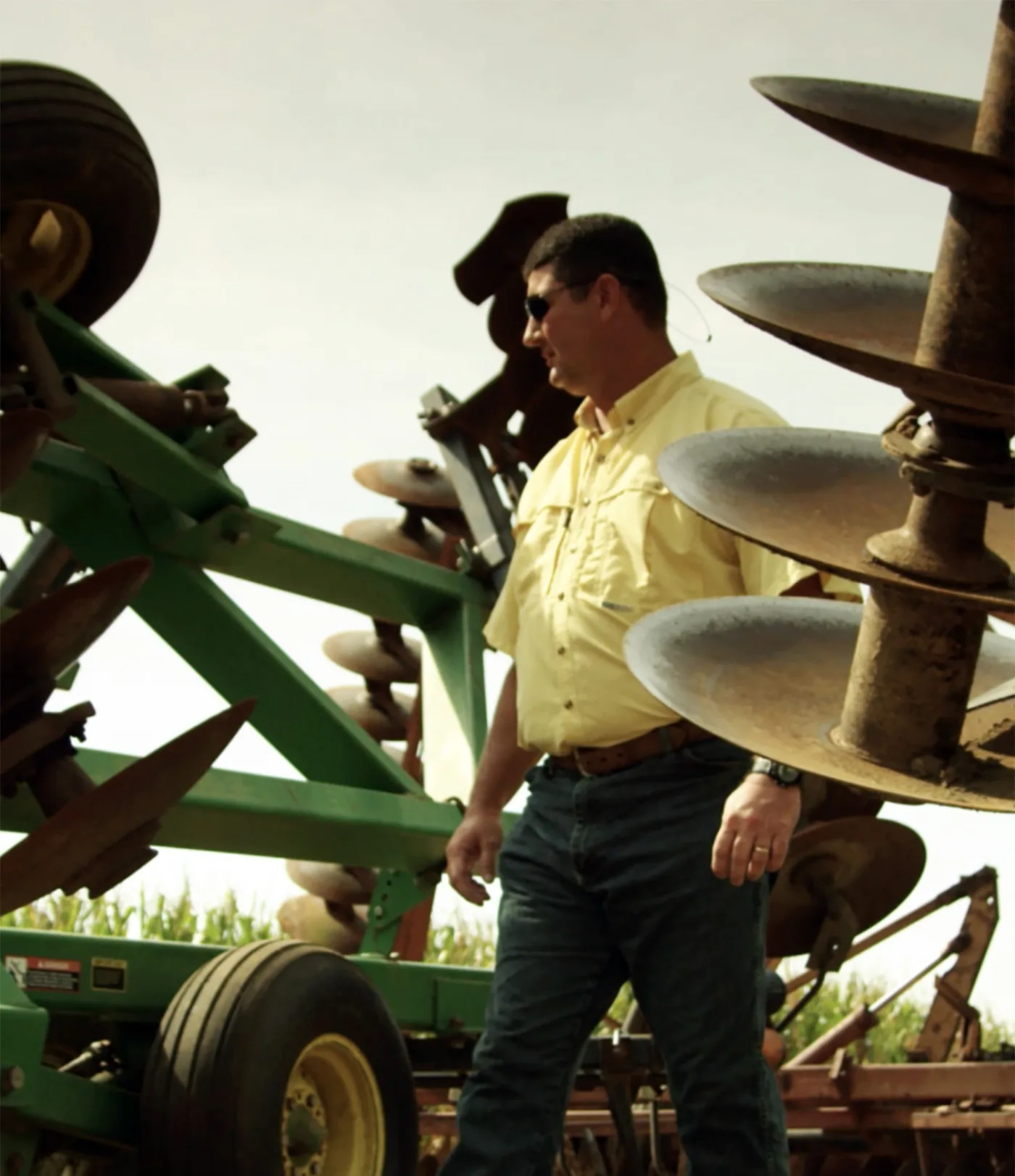
Mike Martien is a land specialist with America's Land Partners, and he sees what a dry homesite brings at closing. So we plan every pad around water before anything else. Elevation and outlet get settled on the estimate, before any fill is ordered.
From the first call to the final pass, here’s exactly what working with us looks like.
Fill out our quick estimate form or give us a call. Tell us about your property and what you’re trying to accomplish.
We walk the ground with you, assess the conditions, and talk through the best plan for your land — clearing, improvements, habitat, and access.
You get a straightforward plan and a free, no-obligation estimate — viewed through the lens of usability, wildlife, and long-term value.
Our crew arrives ready to clear, shape, and improve your property with the care of a fellow landowner — and leave it ready for what’s next.
Common questions about house & building pads across Northeast Louisiana. Don’t see yours? Give us a call — we’re happy to help.
House & Building Pads is one of the specialty services inside Site Preparation & Dirt Work.
Building pads, grading, leveling, and drainage shaping — stable, well-drained ground ready for construction, agriculture, or recreation.
Learn More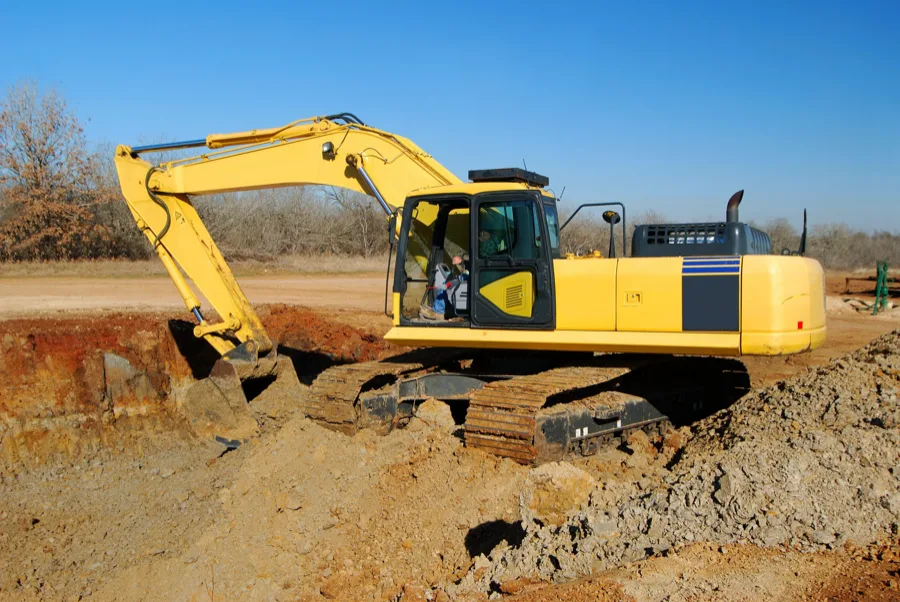
New recreational, fishing, livestock, ag, and crawfish ponds built — and existing ponds cleaned out and reshaped — sited and shaped to hold water and last.
Learn More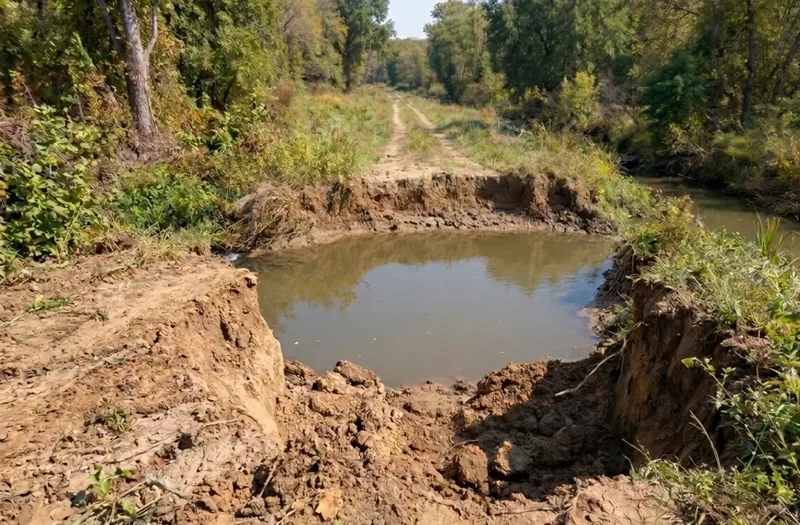
Driveway culverts, ditches, swales and drainage grading that get standing water off flat Delta ground so pads, roads, plots and pastures stay usable.
Learn More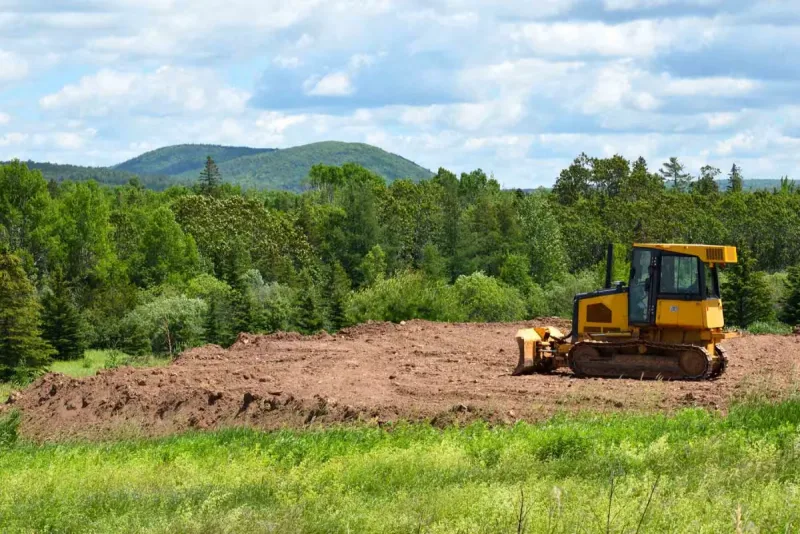
Brush, trees, and years of overgrowth cleared and reclaimed — turning unusable acreage back into open, accessible ground that is worth more.
Learn More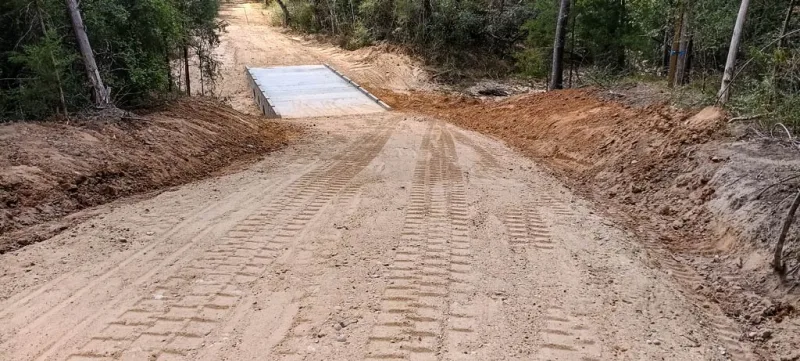
Access roads, gravel driveways, interior trails, and culvert crossings — all-weather access that makes your land usable and more valuable.
Learn More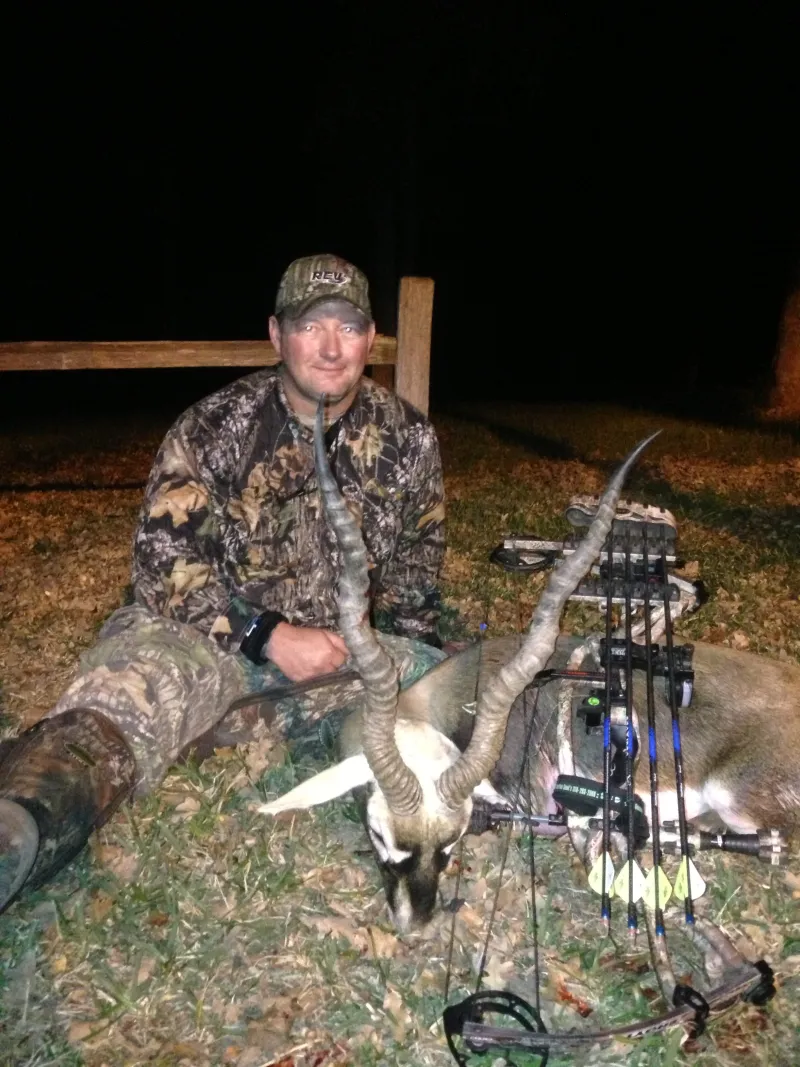
Food plots, shooting lanes, trail systems, and habitat improvements designed to hold deer and grow healthier game — by a landowner who hunts his own work.
Learn MoreReal words from clients who’ve trusted Mike with their land as a land specialist with America’s Land Partners — the same care and work ethic he brings to every Big Cypress project.
“Mike Martien secured my real estate sale through very difficult circumstances. He went above and beyond what would be expected of any agent. Anyone would be in the best of hands letting Mike work for you and with you.”
“We’ve known Mike for over 30 years. His work ethic and knowledge are exceptional. He’s passionate about helping others, trustworthy, and puts his client’s needs first. We highly recommend him to anyone working with land.”
“Mike has lifelong experience dealing with land management and development. His experience shows in researching current trends and values. For the most appropriate valuations and ease of sales, he can’t be beat.”
Ready to improve, enjoy, or get more value out of your land in Northeast Louisiana? Reach out for a free, no-obligation consultation — and put a fellow landowner’s experience to work on your property. Buying or selling? Mike wears that hat too, as a land specialist with America’s Land Partners.